How we know
We only tell you what we can back up.
Here is what each PickleSwaps product bases its answers on, and where each one stops. No testimonials, no borrowed numbers: just how it works.
- Rallywise rule sources
- 119
- Ways every answer is checked
- 3
- Paddles with maker specs
- 320
Kitch IQ
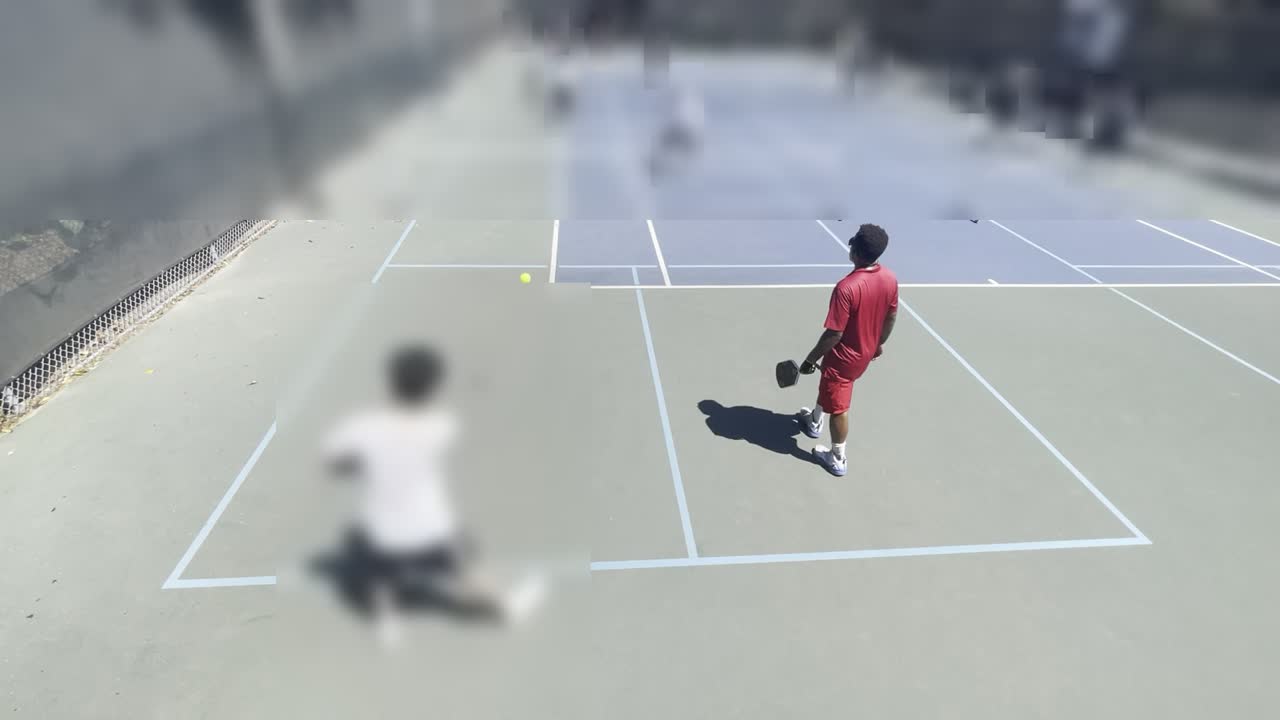
Your match report comes from your own video.
What it's based on
- One match you filmed on a still phone, with the court corners you marked and the player you tapped as you.
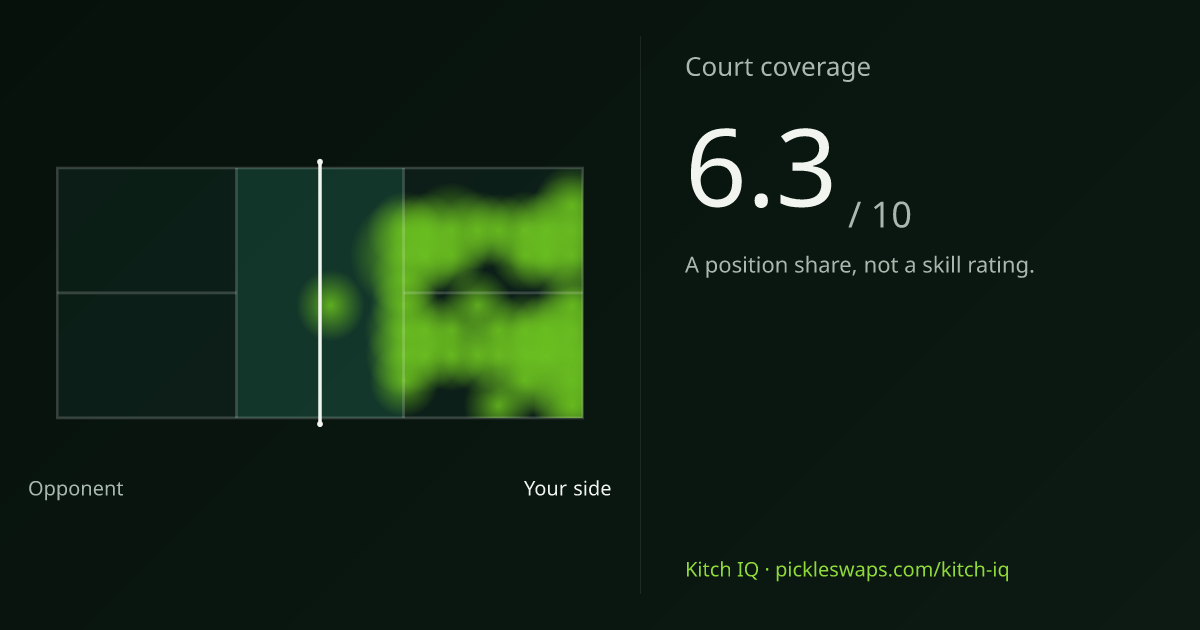
- Where you stood is the strongest read: a heat map, and a coverage score that is a position share, not a skill rating.
- Ball speed only when the ball could be tracked, scaled from the court lines in your frame.
Where it stops
- If it can't keep track of you reliably, your position, speeds and patterns are left out rather than guessed.
- No line calls: from one phone the ball is only placed to about 11 inches, wider than a line.
- When you compare matches, we show the change. We don't claim we caused it.
- We delete your original video within 8 days of your analysis finishing — usually as soon as it's done. Your report stays available for 90 days, then it's deleted too.
Rallywise
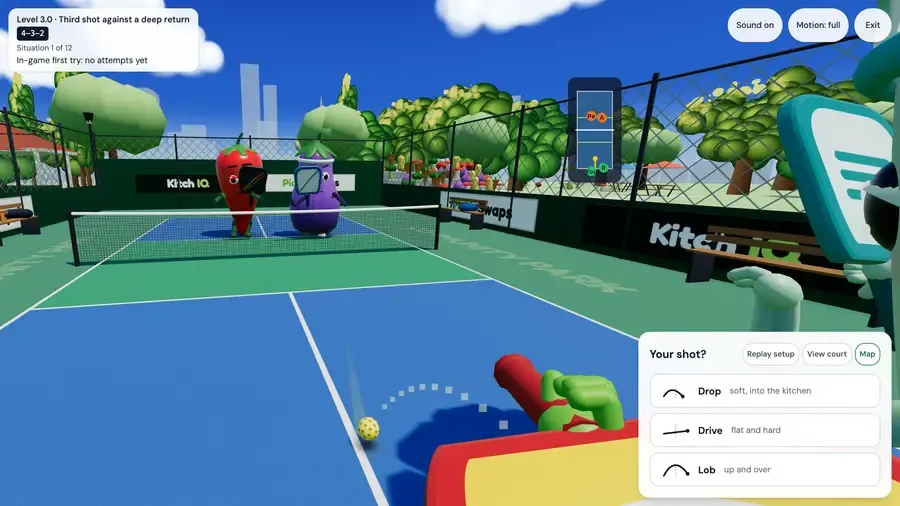
Every answer comes with the coach's reason.
What it's based on
- The rules are built from a library of 119 outside sources from 30 publishers, including USA Pickleball's rulebook and 3 published studies.
- Every decision you see passes three checks before it reaches you: the ball's flight has to be physically possible, the moment has to be readable from where you stand, and the right answer has to follow those rules.
- The game is built by the same checks, so a situation that fails one isn't added.
Where it stops
- It measures your decisions in the game. It isn't a rating, and it doesn't change yours.
- It trains reading the point, not your strokes. For what you actually do on court, film a match.
Paddle Selector
Paddles are ranked on specs, never on commission.
What it's based on
- 320 paddles (catalog as of November 3, 2026), each with specs from the maker's listing, checked against retailer listings.
- Five traits, each worked out from one listed spec and ranked across the whole catalog, so a 7 means “higher than most paddles we list”, not a lab reading.
- Your answers (what you want more of, where you win points, your level, weight and budget) weight those traits and narrow the list.
- The ranking never reads which shops pay us. Some buy links earn a commission (affiliate disclosure), and a test proves that scrambling every one of them leaves the picks unchanged.
Where it stops
- Specs aren't a feel test. Swing weight and balance aren't published for most paddles, so we use the closest listed spec.
- A missing spec never becomes a number: it shows as a dash and is never given as a reason.
How each trait is worked out
- Power
- Listed weight times listed length: a heavier, longer paddle drives harder.
- Hand speed
- Listed weight, inverted: lighter paddles move faster in hand battles.
- Forgiveness
- Shape: wider faces are steadier on off-center hits.
- Touch
- Core thickness: thicker cores are softer on dinks and resets.
- Spin
- Face material: raw and textured carbon faces grip the ball more.
See something wrong?
Tell us at support@pickleswaps.com. A wrong spec, a report that misread your match or a situation that doesn't look right: we read every one. Answers to common questions are in Help.